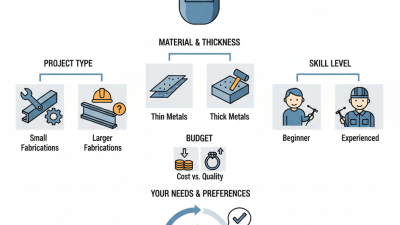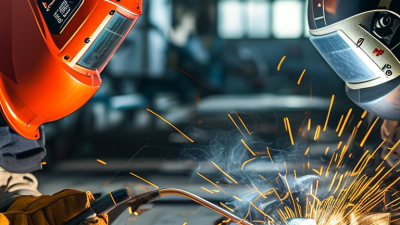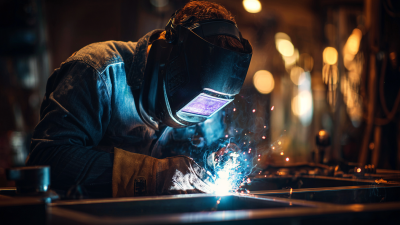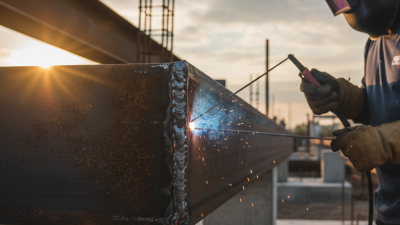
Choosing a Wire Welder in 2026 starts with the work you actually plan to do. A machine for thin sheet metal may struggle with repeated repairs on heavier steel. The right choice depends on material, thickness, power supply, and how often you weld. Small details matter. A short garage project and a full day of fabrication place different demands on equipment.
This guide explains the main options, including gas-shielded MIG and flux-cored machines, without assuming one process suits everyone. It looks at amperage range, duty cycle, wire size, portability, controls, and the accessories included in the package. A duty-cycle label, for example, tells you how long a welder can operate within a stated period before cooling. Check the manufacturer’s specifications and compare them with your expected workload. Also consider whether your outlet can support the machine; a powerful unit is little help if your workspace cannot supply its required input. Beginners may value clear setup instructions and easy-to-adjust controls, while experienced users may need finer voltage and wire-feed adjustments. Those preferences are not always easy to compare on paper. Reviews can help, but verify model details and warranty terms with the manufacturer or seller. Safe operation still depends on training, suitable protective gear, ventilation, and following the manual. By weighing these practical points, you can narrow the field and choose equipment that fits your projects, budget, and workspace—not just the most impressive product description.
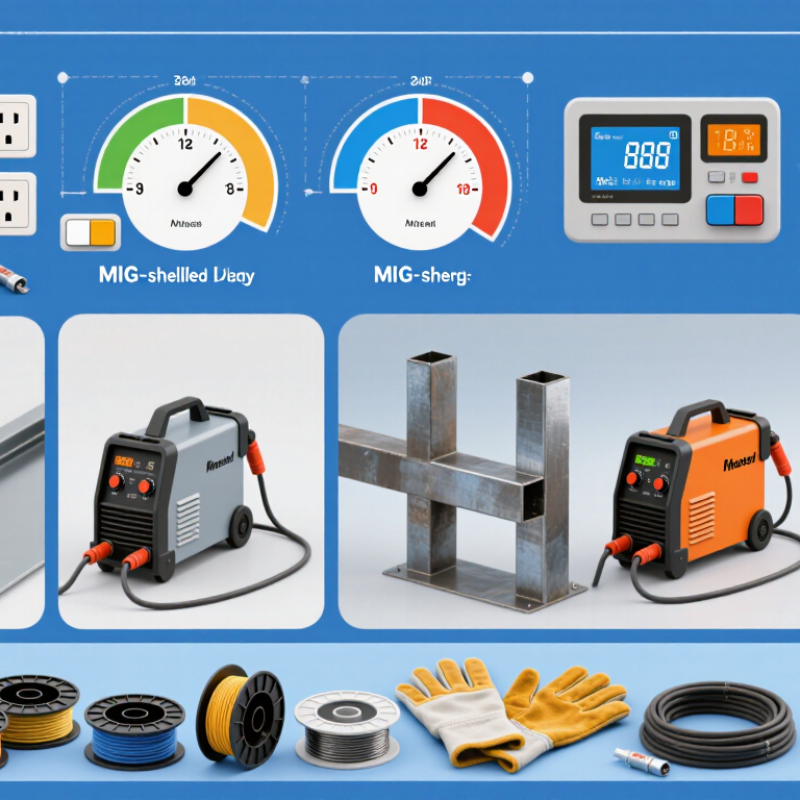
Wire-feed welders are not one-size-fits-all. Solid-wire MIG welding uses shielding gas and suits clean steel, stainless steel, and aluminum, depending on the machine setup. It can produce neat beads on a workshop bench. But wind can disturb the gas, making outdoor work less reliable.
Flux-cored wire offers another route. Self-shielded wire is useful for repairs outdoors, while gas-shielded flux-cored wire can handle thicker steel and demanding production work. Expect more smoke and cleanup. That trade-off is easy to underestimate.
For thin sheet metal, choose a machine with stable low-amperage control; excessive heat can burn through a panel before the bead looks finished. For farm equipment or structural repairs, check the wire diameter, material thickness, and recommended settings together.
A machine’s duty cycle matters too: a high feed speed is less useful if the welder needs frequent cooling breaks. Before committing to a setup, test it on scrap matching the job’s thickness.
Check gas and wire compatibility, maintain ventilation, and use suitable eye and skin protection. A tidy sample bead helps, but it does not prove the joint is sound.
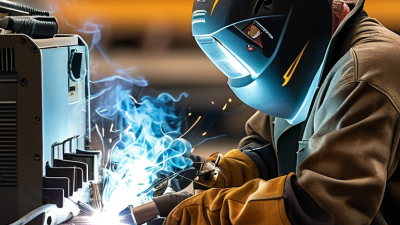
How to Choose a Wire Welder in 2026? Match the process to the metal, joint, and worksite—not just the machine’s advertised amperage. For clean, thin mild steel in a garage, solid-wire GMAW can make controlled, quick welds, but its shielding gas is vulnerable to drafts. A door opening can matter. Self-shielded FCAW is often more practical outdoors, where wind can disrupt gas shielding. Its slag must be removed between passes.
Match the wire and setup to the material. Stainless steel needs compatible filler and careful heat control; aluminum calls for suitable wire-feeding equipment and clean surfaces. For a small trailer repair, compare the joint thickness, available power, and expected duty cycle before choosing. A high output rating is not enough if the circuit cannot support it. Check the machine’s manual and qualified welding procedures for exact settings.
Operator skill matters too. The American Welding Society’s 2023 workforce outlook estimated that the U.S. industry would need 360,000 welding professionals by 2027, underscoring the value of accessible training and straightforward controls. That figure does not tell you which process suits a specific job. I still find that a short test bead on matching scrap reveals problems a spec sheet misses: burn-through, poor feeding, or a joint that needs better fit-up.
Typical common wire diameter ranges can help narrow your process choice. GMAW (MIG) uses solid wire and is commonly used for steel, stainless steel, and aluminum; FCAW uses tubular wire and is commonly used for steel, especially in outdoor or heavier-duty work.
Ranges are typical, not limits or setup recommendations. The correct wire diameter depends on the base material, thickness, position, equipment, and wire manufacturer’s specifications.
How to Choose a Wire Welder in 2026?
When comparing wire welders, match output power to the metal thickness and wire size you expect to use. Thin sheet needs controllable low-amperage output; heavier plate calls for more capacity and a suitable input circuit. Check the machine’s rated output, not just its maximum amperage. Peak numbers can look impressive, but they do not tell you how long the welder can work.
Duty cycle matters in real jobs. IEC 60974-1:2017, the international standard for arc-welding power sources, bases duty-cycle ratings on a 10-minute period. A 60% rating means six minutes of welding followed by four minutes of cooling at the stated conditions. That’s a useful comparison. Still, heat, ambient temperature, and output settings can change how often thermal protection interrupts work.
Wire-feed features affect control and consistency. Look for a stable feed range, clear speed adjustment, and a drive system that suits the wire diameter and spool type you use. Smooth feeding helps avoid bird-nesting and uneven beads, especially when welding out of position. Test with your actual wire if possible. A spec sheet cannot reveal every feed hiccup, and I would not choose on feature count alone. Check the torch connection and whether polarity changes are straightforward for your process.
How to Choose a Wire Welder in 2026?
Check Setup Requirements, Safety, and Operating Costs
A wire welder should fit your workspace, power supply, and typical jobs. Check the required voltage and circuit capacity before comparing features. A machine that cannot run reliably from your available outlet is not a bargain. Consider the metal thickness you expect to weld, too. Thin sheet and heavier plate place different demands on wire feed and duty cycle. A longer duty cycle can help during repeated welds, but it may add cost you rarely need.
Safety and operating costs deserve equal attention. Look for clear controls, a stable wire feed, and compatibility with suitable protective equipment. Keep ventilation in mind, especially when welding coated or painted material; follow the machine manual and material safety guidance. Budget for wire, contact tips, shielding gas if required, electricity, and routine cleaning. These small expenses add up. It is easy to focus on the purchase price and overlook the consumables. A low-cost setup can become frustrating if replacement parts are hard to source.
Tips: Before buying, measure your work area and check outlet capacity. Ask what consumables the machine needs, then price them locally. Leave room in your budget for a helmet, gloves, and proper ventilation. A neat specification sheet is useful, but it cannot predict every real-world fit.
Choosing a wire welder in 2026 starts with honest questions about your skill and workspace. A beginner repairing a thin steel gate may need a simple, stable wire-feed setup more than advanced controls. Check the machine’s rated output, duty cycle, and compatible wire before comparing extras. Duty cycle matters: it tells you how long the welder can run within a set period before cooling. Look for clear settings and a chart matching wire size, material thickness, and voltage. Less guesswork.
Your next projects should shape the choice, too. Solid wire with shielding gas suits many clean indoor jobs, while flux-cored wire can be useful outdoors where wind disrupts shielding gas. If you expect to work with different materials or processes, a multiprocess machine may offer flexibility, but it also brings more settings to learn. A bigger machine is not automatically better. A 240-volt model may offer more capacity, yet your home supply and typical work may not justify it.
The U.S. Bureau of Labor Statistics projects 2% employment growth for welders, cutters, solderers, and brazers from 2023 to 2033, with about 45,800 openings each year. Its Occupational Outlook Handbook is not a sales forecast, but it suggests welding skills remain relevant. Choose for the work you can do safely now, with a modest margin for thicker material or longer sessions later.
I would still leave room for doubt: a forecast cannot tell you whether a particular machine feels comfortable in your hands.