What is Stick Welding Welds and How Do They Work?
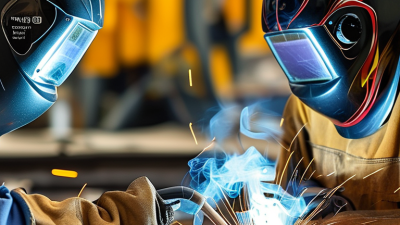
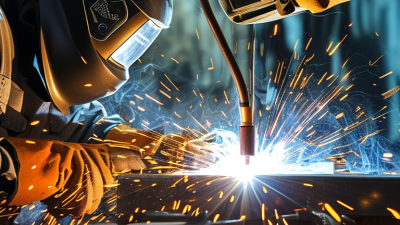
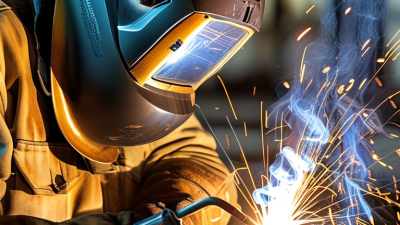
Stick welding, also known as shielded metal arc welding (SMAW), is a widely used technique in various industries. According to John Smith, a welding expert with over 25 years of experience, “Stick Welding Welds are crucial for creating strong and durable joints in construction.” This method relies on a specially coated electrode to produce both the weld and shielding gas, allowing for versatile applications, even in harsh environments.
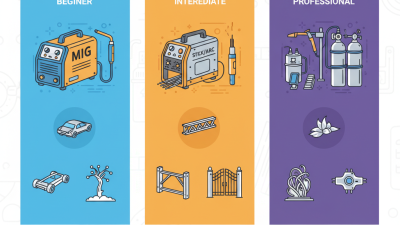
The fundamentals of Stick Welding Welds lie in the simplicity and effectiveness of the process. The technique is accessible to both beginners and seasoned professionals. However, mastering it requires practice and a deep understanding of the materials involved. The equipment is relatively portable, making it suitable for fieldwork and remote locations. Yet, new users often struggle with electrode angles and travel speed, which can impact weld quality.
While Stick Welding Welds have many advantages, challenges exist. Issues like slag inclusion and porosity can arise if proper techniques aren’t followed. Understanding these pitfalls enhances the quality of the weld. Welding is as much an art as it is a science, and experience plays a vital role. Fostering skill development and continuous learning is essential for success in stick welding.
Understanding the Basics of Stick Welding Techniques
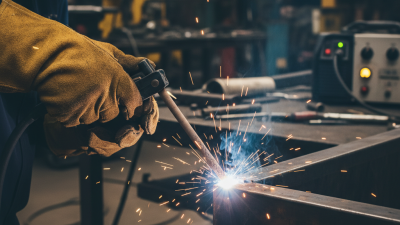
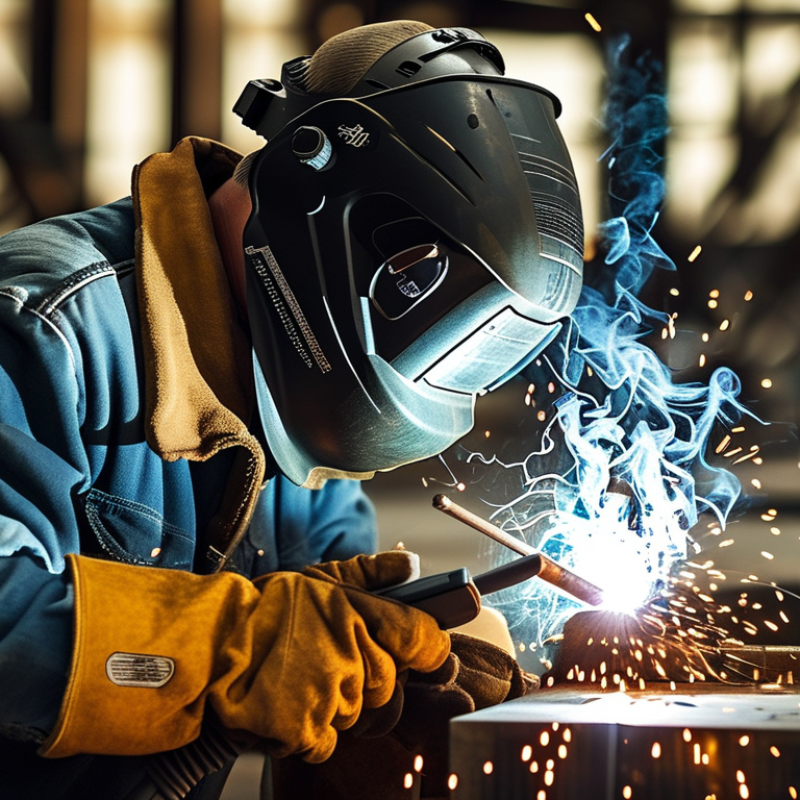
Stick welding, also known as Shielded Metal Arc Welding (SMAW), is a widely used technique in the welding industry. This method involves a simple process where a coated electrode is used to create an electric arc. This arc melts both the electrode and the base metal, forming a strong bond. The coating on the electrode generates a shielding gas, protecting the weld pool from contaminants. It's essential for welders to maintain the correct arc length for optimal results.
Understanding stick welding techniques requires practice. Mastery comes from experience, with beginners often facing challenges like poor arc stability and inconsistent weld beads. Proper electrode selection greatly influences the outcome. It's crucial to match the electrode to the material being welded. Not all situations are straightforward; factors like thickness, position, and technique can create complexities. Adjusting the travel speed and angle can make a significant difference.
Welders must reflect on their techniques to improve. Each job can be unique, presenting different obstacles. Consideration of environmental factors, such as wind or moisture, adds to the challenge. Experimenting with different positions and practices is key to developing a reliable skill set. Ultimately, a strong foundation in stick welding techniques leads to improved craftsmanship and better results.
What is Stick Welding Welds and How Do They Work?
| Welding Process |
Material Types |
Electrode Types |
Applications |
Advantages |
| Stick Welding |
Steel, Stainless Steel, Cast Iron |
E6010, E7018, E6013 |
Construction, Maintenance, Repair |
Versatile, Portable, Low Cost |
| MMA (Manual Metal Arc) |
Low Alloy Steel, High Carbon Steel |
E7010, E7024 |
Heavy Industry, Structural Fabrication |
Good for Outdoor Use, Minimal Equipment Required |
| SMAW (Shielded Metal Arc Welding) |
Aluminum, Copper Alloys |
E4047, E5356 |
Marine, Automotive, Aerospace |
Strong Joint Quality, Adaptable to Different Positions |
Components and Equipment Used in Stick Welding
Stick welding, also known as Shielded Metal Arc Welding (SMAW), relies on basic yet effective components to join metals. Central to the process is the electrode, which melts and creates the weld pool. Commonly, the electrodes are coated with a flux material that helps shield the molten pool from contamination. This coating also assists in stabilizing the arc during welding. According to the American Welding Society, SMAW accounts for nearly 40% of all welding processes employed in the industry.
The power supply is another critical component in stick welding. It can be either alternating current (AC) or direct current (DC), depending on the type of electrode used and the materials being welded. A reliable power source ensures a steady arc, which is essential for producing high-quality welds. Interestingly, 70% of weld failures are attributed to inconsistent arc stability, highlighting the need for suitable equipment and settings.
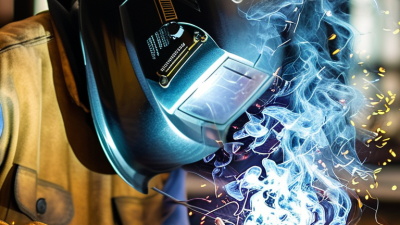
In terms of safety gear, welders require personal protection equipment (PPE) including helmets, gloves, and protective clothing. The need for proper ventilation is also crucial, as fume emissions can significantly impact health. A report by the National Institute for Occupational Safety and Health emphasized that welders are at risk for respiratory problems due to the inhalation of fumes. Hence, choosing the right components and ensuring safety measures is vital in stick welding operations.
How Stick Welding Joints Are Formed and Strengthened
Stick welding is a versatile method, providing strong joints through electrical arc formation. During the welding process, the electrode rod melts. This creates a molten pool that solidifies into a robust joint as it cools. The weld is strengthened through fusion and solidification, bonding the base metals together.
To achieve optimal results, it is crucial to select the right electrode type and diameter based on the materials being welded. A common mistake is using an inappropriate electrode, which can lead to weak joints. Proper angles and travel speeds are equally vital. Use consistent speed to avoid uneven welds.
Many beginners overlook the importance of joint preparation. Clean surfaces enhance the weld quality significantly. Remove rust, paint, and contaminants before starting. Sometimes, even minor imperfections in preparation can result in flaws in the weld. This highlights the importance of attention to detail in stick welding.
Stick Welding Strength Comparison
Safety Precautions and Best Practices in Stick Welding
Stick welding can be a rewarding but challenging process. Safety precautions are essential. Wear appropriate personal protective equipment, including gloves and a helmet. Proper goggles help shield your eyes from the bright arc. The right clothing is vital too. Flame-resistant materials are a must.
Ventilation is critical in stick welding. Ensure you work in a space with good airflow. Fumes can be harmful. A respirator may be necessary in enclosed areas. Always be aware of your surroundings. Remove flammable materials nearby. They can ignite easily, causing fire hazards.
Proper training is essential for stick welding. Even experienced welders can benefit from refresher courses. Mistakes can happen. A small error can lead to defects in your welds. Regularly inspect your equipment. Invest time in maintenance. It ensures reliability and safety. Stick welding is powerful; respect the process.
Common Applications and Advantages of Stick Welding
Stick welding is a popular process for joining metals. It uses an electrode coated in flux. When heat is applied, the electrode melts and fills the joint. This method is favored for its simplicity and portability. Stick welding is commonly used in construction and repair work. It is effective for various metals, including steel and iron.
The advantages of stick welding are numerous. It can be performed outdoors, unlike some welding methods. The equipment is generally affordable and easy to transport. Many industries rely on stick welding for its versatility. Maintenance is relatively simple, allowing more frequent use. However, the process can produce spatter, which might require cleanup afterward.
Consider these tips for better results. Always ensure the work area is clean and free of distractions. Wearing proper safety gear is essential to prevent accidents. Properly adjust the welding settings based on material thickness. Lastly, practice makes perfect. Mistakes are part of the learning process, so don't hesitate to experiment.
 WeChat Online Service