Choosing welding equipment is not just a matter of buying a machine. The right setup depends on the process, material, joint design, and working conditions. A repair in a small garage calls for different gear than a production line welding thick steel. Even a reliable power source cannot compensate for a poor ground clamp or an unsuitable electrode. Details matter.
In Welding Metallurgy, materials scientist and welding authority Sindo Kou explains how heat transfer, fluid flow, and metallurgical changes shape a weld. That is a useful reminder: equipment choices affect more than convenience. A welding machine, helmet, torch, and filler material each influence safety, control, and finished quality. This guide examines the top 10 types of Welding Equipment, from power sources and wire feeders to protective gear and fume extraction. It also considers where each tool fits, what to check before use, and which limitations are easy to overlook. Some equipment looks essential until the job changes. Some overlooked items matter every day. A clear comparison can help beginners build a practical setup and help experienced welders reassess familiar choices. No single list fits every shop, and that deserves a little thought.
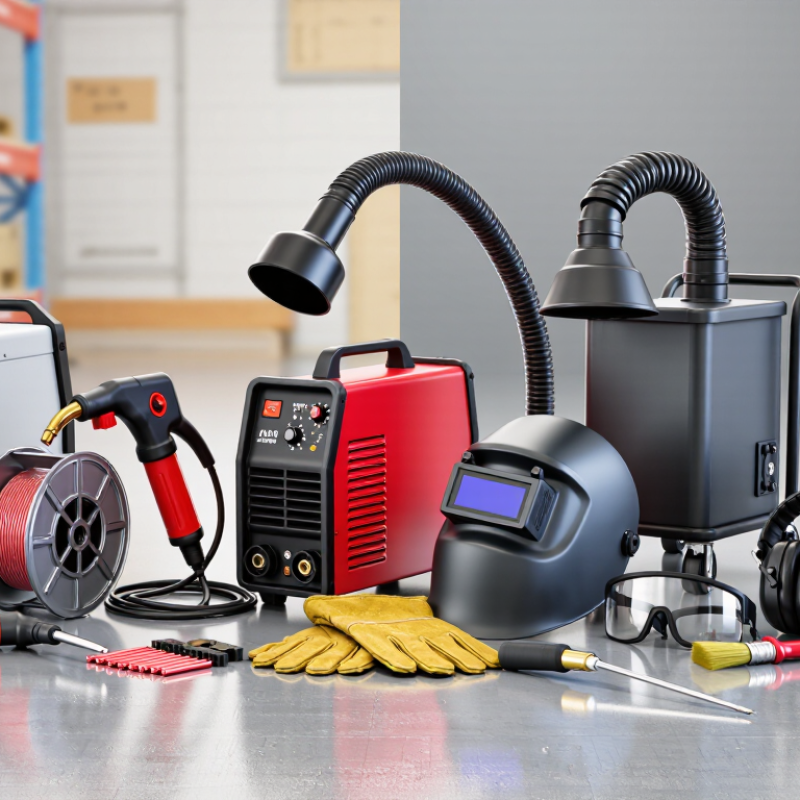
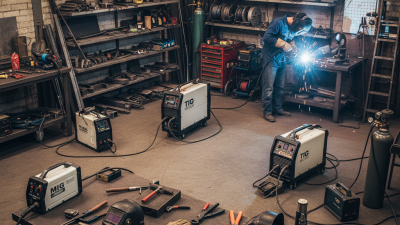
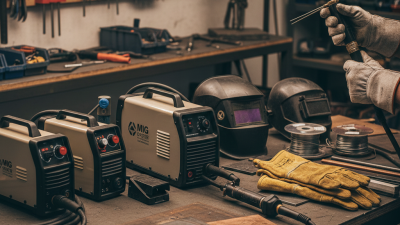
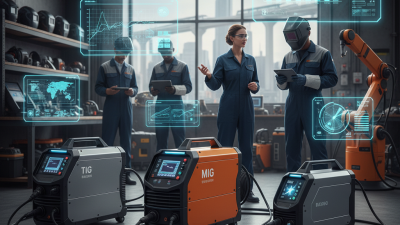
Arc welding equipment covers several processes, each suited to different materials and working conditions. Stick welders use a coated electrode and tolerate rusty or outdoor work reasonably well. They are portable, but slag cleanup and electrode changes slow the job. MIG systems feed wire continuously, making them useful for faster work on clean steel. A steady hand still matters.
TIG systems offer precise control, especially on thin metal and visible joints. They require more coordination: the torch, filler rod, and foot pedal may all need attention. Flux-cored systems also feed wire, but their tubular wire can produce stronger arcs in windy conditions. They often leave more spatter and smoke. Equipment choice depends on joint thickness, access, finish, and operator skill—not just speed. A small practice coupon can reveal problems before a real repair does.
Tips: Check the machine’s rated output and duty cycle before starting. Match the electrode or wire to the base metal, and keep the work area dry and ventilated. Wear a correctly rated welding helmet, gloves, and protective clothing. If the bead looks uneven, pause and inspect your settings; guessing is tempting, but rarely helpful.
Oxy-fuel welding kits combine a torch, hoses, regulators, cylinders, and flashback protection. The torch mixes fuel gas with oxygen to create a controllable flame for heating, cutting, or joining metal. The American Welding Society’s Welding Handbook places the oxyacetylene flame’s peak temperature at about 3,160°C (5,720°F). That heat can concentrate on a small joint, but it also makes sound setup and handling essential.
Regulators reduce cylinder pressure, while separate hoses carry oxygen and fuel gas to the torch. Check hose condition, fittings, and regulator readings before work; a small leak can turn into a serious hazard. OSHA’s guidance for welding, cutting, and brazing stresses ventilation and protection from fire hazards.
Keep cylinders upright and secured, and use the correct flashback arrestors for the equipment. Small details matter. A flame that looks steady is not proof that every connection is safe.
One useful habit is to inspect the setup again after moving the cart, since hoses can snag or loosen. Admittedly, routine checks can feel repetitive, but skipping them is a poor trade for a few saved minutes.
Plasma welding equipment works as a coordinated system: a power source controls the arc, a torch constricts it through a small nozzle, and gas controls protect the weld area. ISO 4063:2023 identifies plasma arc welding as process 15. TWI’s technical guidance describes typical current ranges of 0.1–15 A for microplasma, 15–100 A for melt-in welding, and 100–400 A for keyhole welding. Those ranges show why matching the power source to the job matters. Too much current can widen the keyhole; too little may leave incomplete penetration. Small differences matter.
The torch needs a suitable electrode, nozzle, cooling arrangement, and gas connections. A pilot arc helps establish the main arc, while a constant-current power source supports steadier output during welding. Operators also set plasma and shielding-gas flows to suit the material and joint. A setup sheet should record these values, along with torch distance and travel speed. One detail is easy to miss: a worn nozzle can distort the arc and produce uneven bead edges. The awkward part is that settings that work on a test coupon may not transfer cleanly to a real joint. TWI’s current ranges are useful starting points, not substitutes for procedure qualification and careful inspection.
Resistance welding joins metal by pressing parts between electrodes and passing current through the contact area. Spot welders create localized weld nuggets; seam welders use rotating wheel electrodes to make overlapping nuggets along a joint. The process is fast and needs no filler metal. Electrode force, current, weld time, sheet coating, and cooling all affect weld quality. Small changes matter. Fit-up matters.
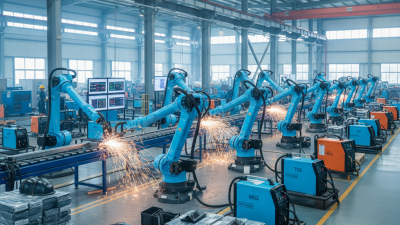
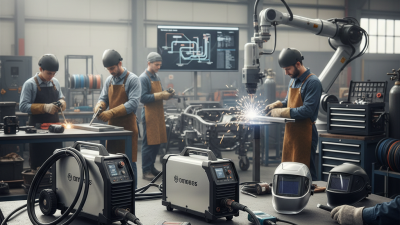
The International Energy Agency’s Global EV Outlook 2024 reports nearly 14 million electric cars sold in 2023, about 18% of global car sales. This production growth helps explain the continued use of automated spot welding in vehicle bodies and some battery enclosures, though not every enclosure uses this process. The International Federation of Robotics reported 541,302 industrial robot installations worldwide in 2023 in World Robotics 2024. Automation can help repeat electrode position and timing. Seam welders suit long joints that need a continuous, sealed finish, such as those on tanks or ducts. Operators can check weld consistency through process monitoring and destructive peel tests. Robots cannot fix poor part alignment, however, and electrode wear is easy to overlook.
Submerged arc welding suits long, straight seams on thick plate, such as pressure vessels and structural beams. A blanket of granular flux shields the arc and molten pool, reducing visible spatter and helping maintain stable deposition. The flux also makes the process less practical for short, awkward joints or out-of-position work. It is powerful, but not universal.
Laser welding concentrates energy into a narrow area, often producing a small heat-affected zone and fast travel speeds. That precision comes with a catch: joint gaps and alignment must be tightly controlled. Electron beam systems can produce deep, narrow welds, especially in thick components, but typically operate inside a vacuum chamber. Chamber size, setup time, and X-ray shielding all affect production planning. Details matter.
The International Federation of Robotics’ World Robotics 2024 report counted 4,281,585 industrial robots operating worldwide in 2023, 10% more than in 2022. This broader automation growth does not mean every robot welds, but it helps explain rising interest in controlled, repeatable welding cells.
In practice, selection should consider material, seam geometry, throughput, inspection needs, and operator capability—not just penetration depth or speed. A highly capable system can still be the wrong fit for a variable repair job.