Leave Your Message

Top 10 Electric Welding Machines for Global Buyers

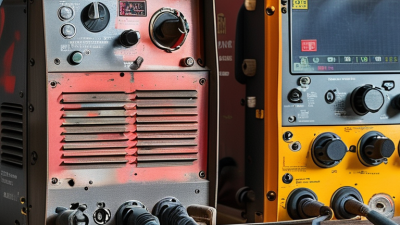
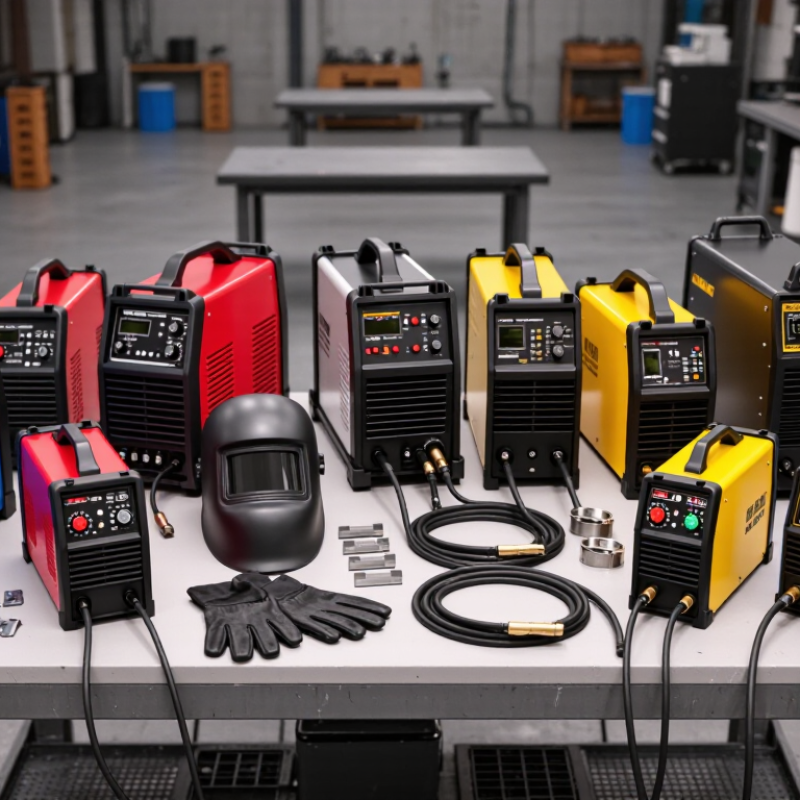
Choosing an Electric Welding machine is not just a matter of comparing price tags. Global buyers must match a model to the work, power supply, and conditions where it will be used. A compact inverter may suit repair crews moving between sites, while a heavier unit can make more sense for steady workshop production. The distinction becomes clear when cables, protective gear, and metal samples are laid out beside the machine.

This guide reviews ten options through practical factors: welding processes, output range, duty cycle, input requirements, portability, controls, and service access. A duty-cycle rating, for example, helps buyers understand how long a machine can operate at a specified output before cooling is needed. Check the manufacturer’s manual and product data rather than relying on a headline specification. Small details matter. A plug that does not match the local supply can delay setup, and replacement parts may be difficult to source in some regions.

There is no single best machine for every buyer. That is worth saying plainly. A model praised for portability may feel underpowered during long production runs; a high-output machine may be unnecessary for occasional repairs. The selections are intended as a starting point, not a substitute for checking material thickness, available power, operating environment, and local support. Product specifications and availability can change, so confirm current details with the manufacturer or authorized supplier before purchasing. Even a careful comparison has limits. Real work can expose them.
Top 10 Electric Welding Machines for Global Buyers

How Electric Welding Machines Work and Where They Are Used

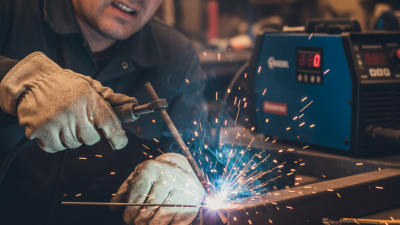
An electric welding machine controls current to create an arc between an electrode and the metal workpiece. The arc’s heat melts the joint edges; filler metal may be added, depending on the process. In stick welding, the electrode also supplies filler. MIG and TIG machines use different wire or electrode arrangements. Inverter models are often lighter than traditional transformer units, but performance still depends on suitable settings and power supply. The details matter.

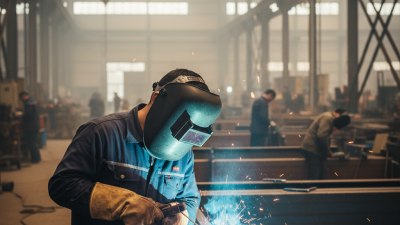
These machines are used in workshops, construction, vehicle repair, farms, and equipment maintenance. A fabricator might join steel brackets on a workbench, while a repair crew fixes a cracked gate outdoors. Material thickness, joint position, and the desired finish influence process choice. A thin sheet can distort under excess heat. Still, the correct current setting alone cannot guarantee a sound weld; preparation and steady technique count too.

Tips: Clean rust, paint, and oil from the joint before welding. Check the work clamp for firm metal-to-metal contact. Wear a suitable welding helmet, gloves, and protective clothing, and keep the work area ventilated. Practise on scrap of similar thickness first. It takes patience. A small test bead can reveal problems before they reach the finished part.
Key Standards and Selection Factors for Global Buyers

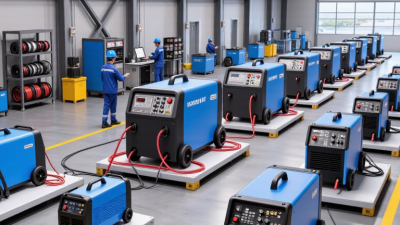
For global buyers, a welding machine must match both the job and the local power supply. Check input voltage, phase, and frequency against the workshop’s actual outlet, not just a product listing. Then compare output range, duty cycle, and supported processes, such as stick, TIG, or MIG welding. A high duty cycle matters when long welds are routine; for occasional repairs, portability may matter more. Small details matter.

Before ordering, check which safety and electromagnetic compatibility standards apply in the destination market. IEC 60974 includes standards for arc-welding equipment, but requirements can vary by product and region. Ask suppliers for current test reports, clear manuals, and confirmation that the exact model meets local requirements. Do not assume one certificate covers every country.

Tips: Confirm plug type, spare-part availability, and service support before purchase. Ask how duty cycle was measured and at what ambient temperature. A low price may look convincing, yet shipping delays or hard-to-find torch parts can erase the saving. Even careful comparisons miss details sometimes, so verify specifications in writing.

Main Types of Electric Welding Machines on the Market

Electric welding machines differ mainly by the process they support. Stick, or SMAW, uses a flux-coated electrode and suits outdoor repairs, structural steel, and sites where wind makes shielding gas awkward. It is portable, but frequent electrode changes and slag removal slow production. MIG/MAG machines feed a wire continuously and use shielding gas, making them practical for sheet metal, vehicle repair, and repetitive fabrication. Check the gas and wire setup before buying; “MIG” and “MAG” are often used loosely in sales descriptions.

TIG machines use a non-consumable tungsten electrode and offer precise control on stainless steel, aluminum, and thin sections. They demand steadier hands and usually take longer. Plasma arc systems serve specialized cutting or joining tasks, while inverter machines describe a compact power-source design, not a separate welding process. The International Federation of Robotics’ World Robotics 2024 report recorded 541,302 industrial robot installations worldwide in 2023. That figure is not specific to welding, but it helps explain interest in robotic welding cells and compatible power sources. A mismatch can still happen: automation cannot compensate for poor joint preparation or inconsistent material fit-up. Check duty cycle, input power, process compatibility, and local service access against the actual job. A crowded workshop changes the choice.

Ten Electric Welding Machines Compared by Features and Applications

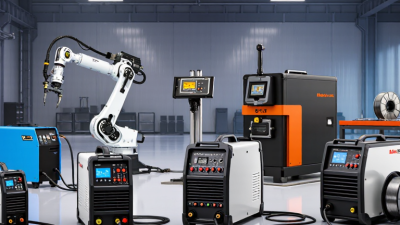
Compact inverter stick machines are light, easy to carry, and suited to repair work on steel frames. Traditional transformer stick machines are heavier but offer straightforward controls for steady workshop use. MIG machines feed wire continuously, making them practical for clean, repeatable welds on sheet metal and fabrication jobs. Flux-core machines avoid external shielding gas, which helps outdoors, though slag removal adds work. Still, trade-offs matter.

DC TIG machines provide precise control on stainless steel and thin sections, but require a steadier hand and slower pace. AC/DC TIG models add aluminum capability, with more settings to learn. Multiprocess machines combine several welding methods in one unit, useful when job types change. Their convenience may come with compromises in power or usability. Engine-driven machines supply welding power at remote sites, but need fuel, ventilation, and regular maintenance.

Submerged arc machines suit long, consistent welds on thick plate, not small repair tasks. Resistance spot machines join overlapping sheet metal quickly, especially in repeated production work. Compare output range, duty cycle, input power, and portability against the actual workload. A high amperage rating alone does not tell the whole story. Duty cycle, for example, affects how long a machine can weld before cooling. A tidy specification table can still miss the workshop reality: cable reach, setup time, and operator skill matter too.

Regional Power, Safety, and Maintenance Considerations

Regional power compatibility is the first practical filter. Match the machine’s rated voltage, phase, and frequency to the site supply, then confirm breaker capacity and cable length. IEA’s Electricity 2024 report projects global electricity demand growth of about 3.4% annually from 2024 to 2026. That figure signals changing grid demand, not reliable voltage at a particular workshop. Check the plate. For generator use, verify output stability under welding load; a listed input range alone may not prevent nuisance shutdowns.

Safety depends on setup as much as equipment selection. IARC Monographs Volume 118 classifies welding fumes as carcinogenic to humans, Group 1. Provide effective local exhaust ventilation, suitable eye and skin protection, and a clear route for hot work. Keep leads away from sharp edges and standing water. Inspect insulation, connectors, the electrode holder, and the work clamp before each shift. A tidy specification can still hide an awkward site mismatch, especially where ventilation or grounding is poor.

Maintenance needs to fit the work schedule and local conditions. Dusty shops may require more frequent cleaning of cooling vents; humid storage areas call for checks for corrosion and damaged insulation. Follow the service intervals in the operating manual, and record faults rather than relying on memory. Check the duty cycle against real weld lengths and ambient temperature. There is no universal “best” machine: buyers should verify local supply quality, operator training, spare-part access, and service support before ordering.

Top 10 Electric Welding Machine Configurations for Global Buyers

Representative rated welding output current by process and input supply. These are example configurations, not a product ranking; actual ratings vary by machine and duty cycle.

Before buying, confirm that the machine’s nameplate input voltage and phase match the local supply; nominal voltages and available circuits differ by region. Check the rated duty cycle, use correctly rated cables and protective equipment, and keep ventilation and routine maintenance in mind.