What Are the Top Welding Shops in China?
Choosing among China’s Welding Shops requires more than comparing prices or browsing polished factory photos. A dependable supplier should explain its welding processes, material controls, inspection methods, and production capacity in clear terms. Ask for relevant project examples, sample inspection records, and details about how defects are handled. A shop that can describe its limits may be more trustworthy than one promising everything.
Welding metallurgy expert Dr. John C. Lippold’s work offers a useful reminder; the following is an editorial paraphrase, not a verbatim quotation: “Reliable welds depend on controlled procedures, skilled execution, and evidence.” That principle matters when comparing shops for steel structures, machinery, or custom components. Look for documented procedures, qualified personnel, and inspection plans suited to the job. Details count. A clean bead is reassuring, but appearance alone cannot confirm strength or consistency. Ask how the shop checks both.
This guide examines leading Chinese Welding Shops through practical criteria, including technical capability, communication, quality assurance, and service fit. “Top” depends on your requirements. A small fabrication order and a repeat industrial contract need different strengths. Supplier information can also change, and public claims deserve verification. That takes effort. Use the comparisons as a starting point, then confirm certifications, references, and sample documentation directly. No ranking can replace a careful review of the actual work.
What Defines a Leading Welding Shop in China?
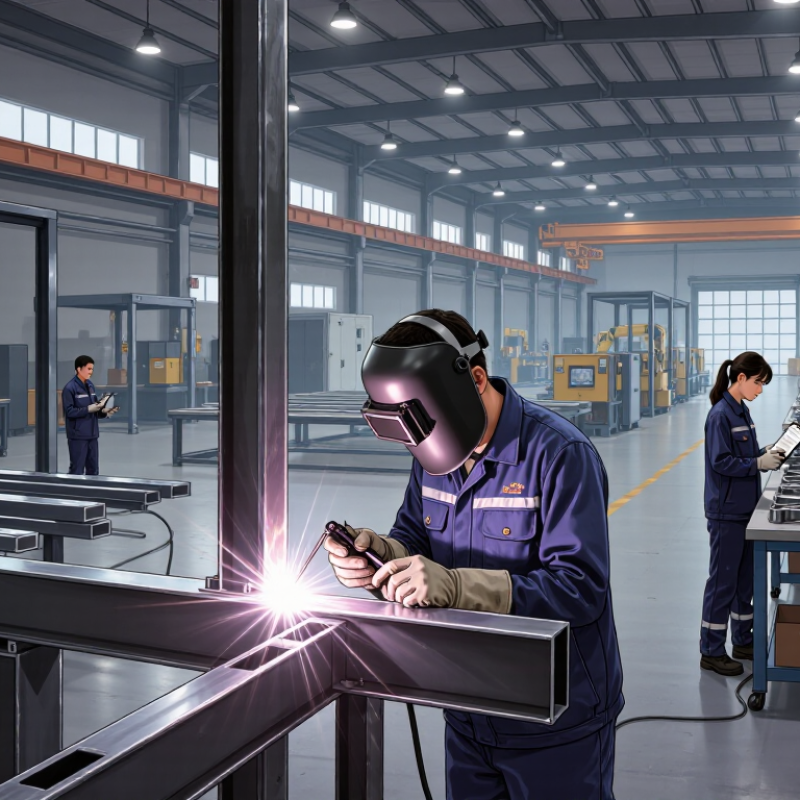
A leading welding shop in China is defined less by its machinery list than by repeatable control over each job. Look for documented procedures suited to the material, thickness, joint design, and service conditions. Qualified welders, calibrated equipment, and clear inspection records help turn a drawing into a dependable part. Details matter. Ask how the team manages fit-up, preheat, interpass temperature, and distortion on your specific assembly. A capable shop should explain these choices plainly, not hide behind jargon. A polished website is not proof; request relevant sample reports or a small trial batch when practical.
Quality also shows in traceability. Material certificates, weld maps, and non-destructive testing records, when required, make defects easier to investigate. Check whether inspection plans set acceptance criteria before production begins. Communication is another test. Can the shop flag an unrealistic tolerance, confirm drawing revisions, and report delays early? Price and capacity matter, but unusually low quotes may omit preparation, inspection, or packaging. That deserves a closer look. Even capable shops have weak spots, so assess the process and team assigned to your order rather than relying on broad claims.
Main Types of Welding Services Offered by Chinese Shops
Chinese welding shops commonly provide fabrication, joining, and repair services for steel, stainless steel, and aluminum parts. The available process often depends on material thickness, production volume, and the finish required. MIG welding suits many structural frames and brackets because it can join parts efficiently. TIG welding offers more control for thin stainless steel, aluminum, and visible seams. Stick welding remains useful for heavier work and some on-site repairs. Spot welding is common for overlapping sheet-metal components. Some larger workshops also use robotic or laser welding for repeat orders and precise assemblies.
The right service is not just the one with the newest equipment. Ask how the shop prepares joints, controls distortion, and checks completed welds. A careful team may clean a steel edge, tack the parts in place, then inspect the seam for gaps or undercut. For custom work, share a drawing, material grade, thickness, and expected quantity before requesting a quote. Photos help, but they cannot replace clear measurements. Small details matter. A shop may be capable of several processes yet lack experience with a particular alloy or finish. It is worth asking for a sample weld or inspection records. Even then, specifications can be missed, so confirm acceptance criteria in writing.
What Are the Top Welding Shops in China? Main Welding Processes Offered
This chart lists common welding processes that Chinese shops may offer. The values are ISO 4063 process identifiers, not rankings, prices, or market-share figures. Shop capabilities vary, so confirm specific services directly with each provider.
Key Criteria for Comparing Welding Shops
Comparing welding shops in China starts with the work your part actually requires. Ask which processes they use, what material thicknesses they handle, and how they control heat distortion. Request a sample weld on material close to yours. Inspect bead consistency, penetration, spatter, and fit against the drawing. A tidy surface is not enough.
Check how the shop qualifies welders and documents procedures. Ask for inspection records, material traceability, and examples of non-destructive testing when the application calls for it. Confirm who reviews dimensions and what happens when a part fails inspection. Clear answers matter. Certificates help, but they do not replace evidence from the production line.
Look beyond the quoted price. Compare lead times, batch capacity, packaging, and how quickly the shop flags a design concern. A brief factory visit can reveal whether gauges are calibrated and parts stay identified between steps. One sample can mislead; production runs expose variation. I would also ask for a small trial batch before committing, though this adds time and cost. A reliable shop should explain its limits, not promise that every weld will be perfect.
Major Industrial Regions for Welding Services in China
China’s welding services are concentrated around manufacturing corridors, but each region tends to serve different needs.
The Yangtze River Delta, including Shanghai, Jiangsu, and Zhejiang, has a broad base of equipment, machinery, and precision-fabrication suppliers. Buyers may find shops experienced with stainless-steel assemblies, machined parts, and repeat production runs. Capabilities still vary from one workshop to another.
Guangdong’s Pearl River Delta supports electronics, transport equipment, and general manufacturing, creating demand for accurate, flexible welding work. Shandong and nearby northern industrial areas have stronger links to heavy equipment, steel structures, and energy-related fabrication. These patterns are useful starting points, not guarantees. A shop’s actual machines, inspection process, and material experience matter more than its location. A region can look ideal on paper.
Tips:
Ask for recent examples using your material and thickness. Confirm whether the shop handles cutting, welding, finishing, and inspection in-house. Request a sample weld or a small trial batch before committing to volume. Check how dimensions are recorded and defects are handled. Details matter. If a supplier’s answers seem vague, keep comparing.
How to Choose a Welding Shop for a Specific Project
What Are the Top Welding Shops in China?
Choosing a welding shop for a specific project starts with the part, not the price. Share clear drawings, material grades, thicknesses, dimensions, and expected production volume. A shop experienced with thin stainless steel may not suit heavy structural assemblies. Ask which welding processes it uses and why they fit your material and joint design. Good answers should be specific, not just “we can do it.”
Check how the shop controls quality. Ask about welder qualifications, inspection methods, and how it records weld dimensions or defects. For a trial run, request a sample made from the same material and thickness as your part. Look closely at penetration, distortion, and finish. Also confirm packaging, delivery schedules, and how design changes are handled. A low quote can be tempting, but unclear inspection steps may cost more later. No checklist catches everything.
Tips: Send a marked-up drawing and photos of critical joints. Ask for a written quote that separates setup, welding, finishing, and inspection. Confirm one contact person and agree on how problems will be reported. If the shop avoids detailed questions, pause and reassess.
 WeChat Online Service